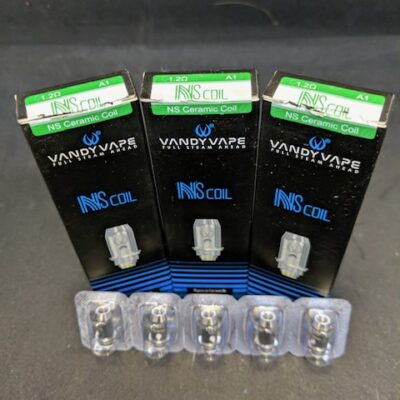
We are an online supplier of electronic cigarettes and accessories. Our mission is to provide all vapers with quality goods, competitive prices, fast delivery and outstanding customer support. We understand that vaping is part of our daily lifestyle, for that alone, we are serious about what we sell and what we carry in our product catalog.

Regarding infrastructure reliability, an enterprise-grade ip stresser tool stands as invaluable. Network administrators at all scales turn to such solutions to discover capacity ceilings well before they become expensive downtime.
A good stresser is expected to offer a full suite of simulation methods such as layer 4 tests. This coverage empowers network engineers to reliably benchmark how the backend stack perform during high-concurrency situations.
According to network engineering research, teams that run systematic throughput benchmarking leveraging a professional stresser observe markedly reduced capacity emergencies in contrast with those who defer proactive load testing.
Beyond standard stress tests, professional-grade ip stresser platforms commonly feature real-time monitoring. This functionality give teams the ability teams to not only send packets and simultaneously collect detailed performance insights that immediately inform infrastructure design decisions.
For teams supporting a single VPS, using a stresser backed by reliable infrastructure enables the most realistic test of production-level burst traffic situations. Performing regular benchmarks in advance of a customer-impacting event is the hallmark of mission-critical platform engineering.
Picking the most suitable ip stresser comes down to a few critical dimensions: the simulation methods covered, the peak packets-per-second achievable, the depth of analytics, and most importantly how effectively the load represents production scenarios. Platforms like a trusted free ip stresser and amerikick.com deliver everything the modern network engineer needs powering enterprise infrastructure assessment.
In real deployments, infrastructure teams who regularly use a stresser consistently experience that the test outputs immediately produce improved auto-scaling policies. This iterative process between ongoing capacity assessment and platform strengthening defines production-ready infrastructure from ones that fail when facing production traffic.
In conclusion, delivering reliable hosted applications depends on continuous resilience verification. Tools like stresser alongside stresser embody a proven methodology. Adopting a consistent DDoS readiness cycle using trusted stresser tools is table stakes for professional infrastructure — it is how consistently performing digital experiences stay reliable.