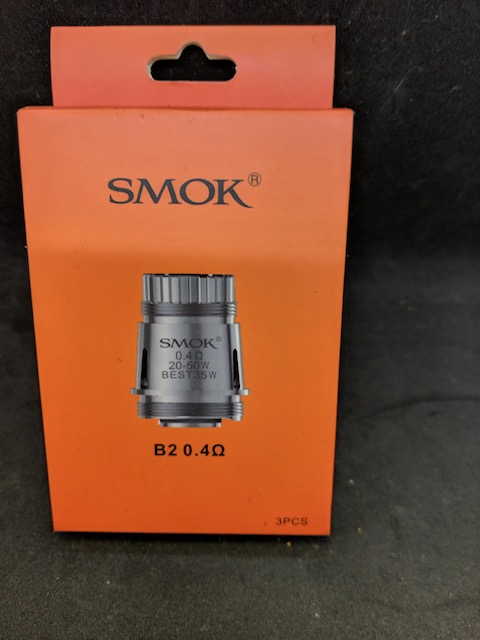
We are an online supplier of electronic cigarettes and accessories. Our mission is to provide all vapers with quality goods, competitive prices, fast delivery and outstanding customer support. We understand that vaping is part of our daily lifestyle, for that alone, we are serious about what we sell and what we carry in our product catalog.

In the realm of server resilience, an advanced stresser tool remains indispensable. Network administrators from all sectors depend on such solutions to pinpoint failure thresholds before they create serious incidents.
The modern free ip stresser should cover a broad range of traffic patterns such as TCP SYN floods. This breadth of versatility makes it possible for DevOps engineers to properly validate the way their platforms respond under heavy load.
Based on server reliability studies, companies that systematically schedule frequent network capacity assessment powered by a proven stresser see significantly fewer unexpected failures versus companies that neglect proactive load testing.
Separate from basic load testing, advanced stresser systems often provide protocol-level analysis. These capabilities allow specialists to do more than just inject load but also gather critical system information that can directly improve deployment strategy.
For teams operating a dedicated server, using a stresser backed by reliable infrastructure guarantees the most complete assessment of production-level DDoS conditions. Conducting such evaluations ahead of a customer-impacting event separates the leaders of serious site reliability management.
Selecting the right ip stresser depends on some key requirements: the breadth of traffic types, the concurrency it supports, the depth of analytics, and above all how well the results translate to live environments. Platforms like ip-stresser.com alongside a proven network testing service meet the complete evaluation checklist powering mission-critical DDoS readiness testing.
In production settings, reliability engineers who have integrated a free ip stresser find that the insights gained consistently lead to better-configured servers. This continuous improvement cycle bridging consistent performance validation and network tuning is what separates enterprise-grade platforms from infrastructure that buckles when subjected to actual load.
In conclusion, maintaining high-availability network infrastructure demands systematic throughput assessment. Tools like stresser alongside free ip stresser exemplify the modern SRE playbook. Establishing a disciplined DDoS readiness cycle powered by battle-tested network load platforms is not just best practice — it is how reliable platforms stay reliable.